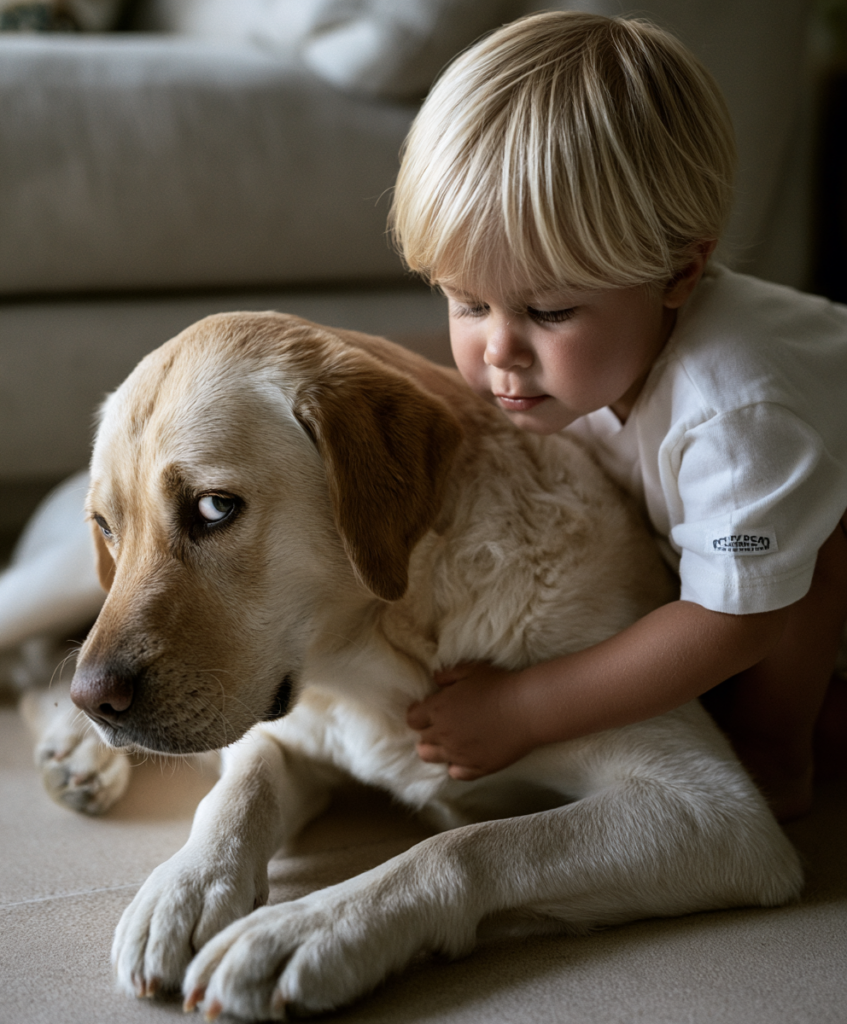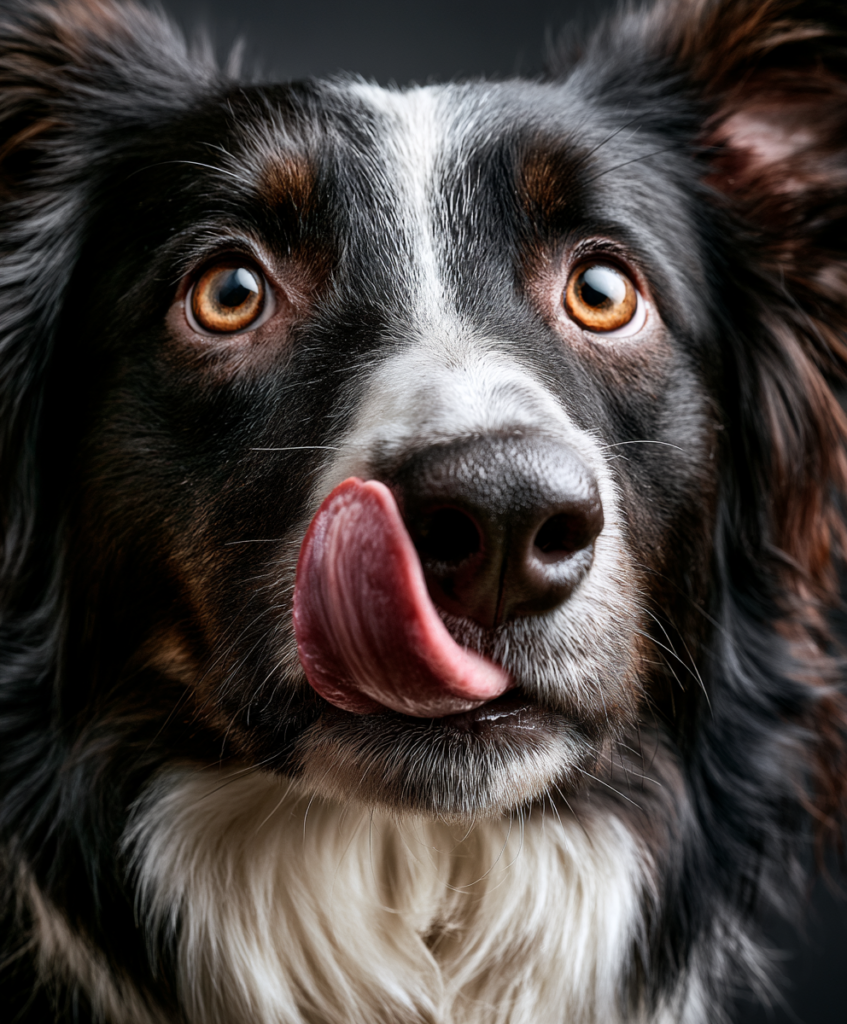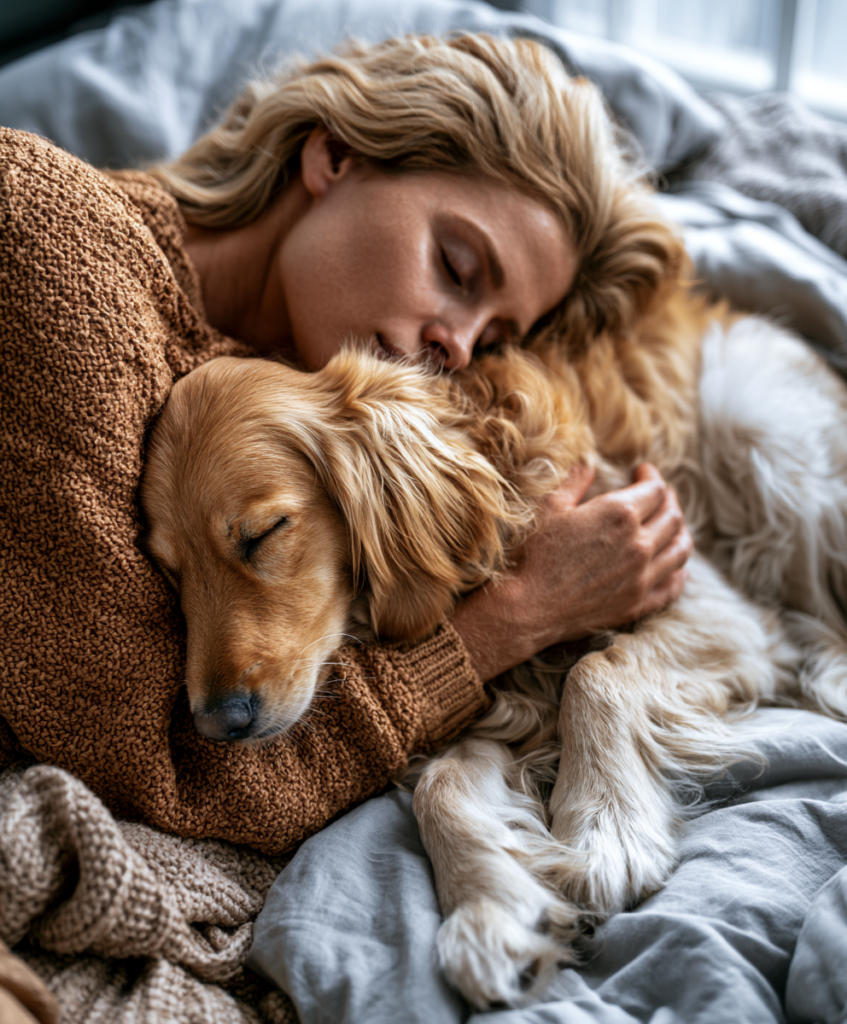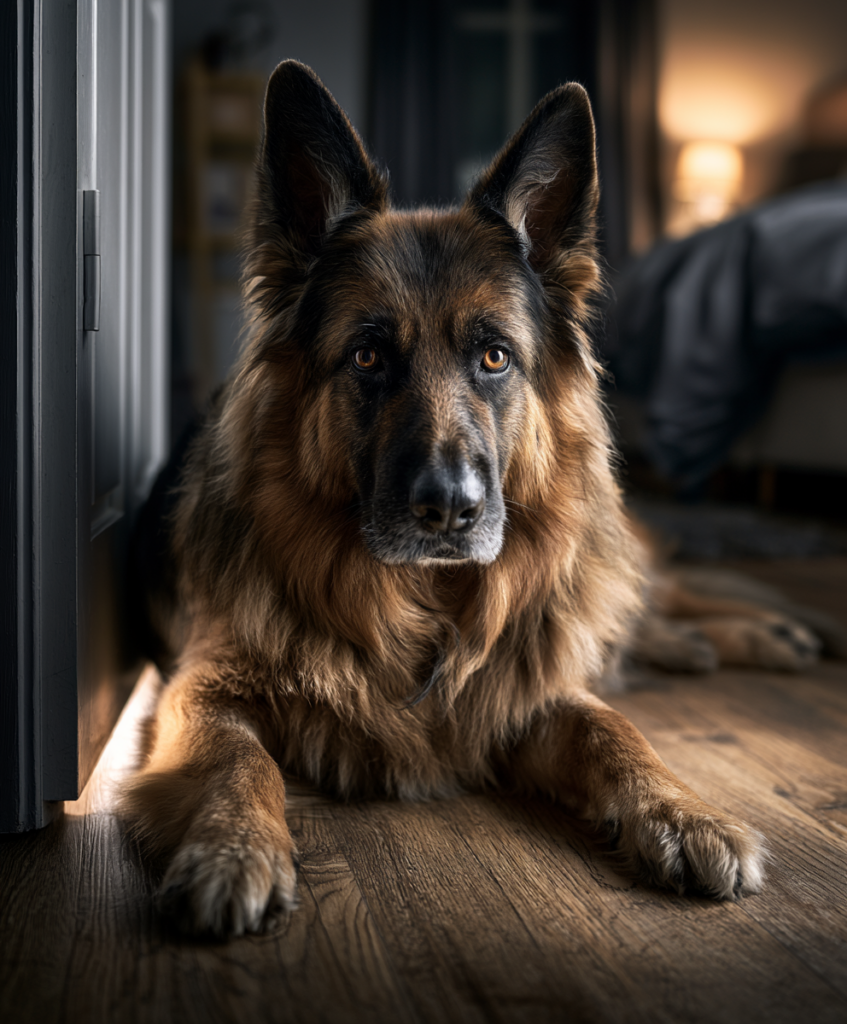
So you are standing at the door with your keys in your hand, and there it is. The little face. Watching you. Ears down, eyes doing that thing they do.
And the guilt lands right in your chest. How long is too long? Am I a bad owner for leaving at all?
First, breathe. The fact that you are even asking this means you care. Nobody who did not would wonder.
So let’s answer it properly. Both halves of it. The number, and the bit underneath the number that actually matters more.
The rough guide, the number bit
There is no single magic figure, because a lot depends on the dog, their age, their health, and whether they can get to the loo. But there are some sensible rules of thumb that most welfare charities agree on.
Puppies: very short stretches only. A rough guide is about one hour for each month of age, and even then not for long. A tiny pup simply cannot hold their bladder or their nerve, so the early weeks are hands-on.
Adult dogs: as a general guide, try not to leave a dog alone for more than about four hours at a stretch on a regular basis. Some manage a little more, some need less, but four hours is a fair everyday ceiling to aim under.
Older dogs, or dogs with health needs: often shorter again, because of stiffer joints, weaker bladders, or simply needing more reassurance.
Use those as a frame, not a law. A quick pop to the shops is nothing. A full working day, every day, with no break in the middle, is the thing to plan around.
The bit that matters more than the number
Here is what nobody tells you.
The hours are only half the story. The other half, the more important half, is whether your dog can actually cope with being alone at all.
Because a dog who settles calmly for four hours and has a nice snooze is in a completely different place from a dog who panics after four minutes. Same clock. Totally different welfare.
If your dog is relaxed when you go, that is the win. If your dog falls apart the moment the door shuts, then even a short absence is hard on them, and “how long can I leave them” quietly becomes the wrong question. The real one is “how do I help them feel safe when I am not here”.
How to make time alone kinder
Whatever the number, you can make the time away much easier on your dog.
Take the edge off first. A good walk and a chance to toilet before you go means a calmer, emptier, sleepier dog.
Leave something soothing. A stuffed food toy or a lick mat gives them a calm thing to do right as you leave, instead of a spiral.
Keep your exit boring. No big emotional goodbye. The calmer you are about the door, the less of an event it becomes.
Break up the long days. A midday walker, a bit of daycare, or a family member popping in turns one long lonely stretch into two manageable ones.
Build up their tolerance gently. If being alone is hard for them, practise tiny absences, seconds and then minutes, always staying under the point where the worry fires.
So, how long is too long?
Long enough that your dog is distressed is too long, however many hours that turns out to be for your particular dog.
For most healthy adult dogs, keeping regular solo stretches under about four hours, with breaks for the longer days, is a kind and sensible target. But if your dog cannot manage even short absences without falling apart, the number is not really the problem. The panic is. And that can be helped.
Not sure if your dog is coping or just holding on?
There are quiet signals that tell you whether your dog is genuinely relaxed when alone, or simply holding it together until you get back. Most loving owners miss them, not through neglect, but because nobody ever showed them what to look for.
We gathered them into a little free guide: 5 Silent Signs Your Dog Is Asking for Help. It walks you through each signal and the single most reassuring thing you can do about it.
And if being alone has already become real distress for your dog, that is exactly what our book Home Alone works through, step by gentle step, over four weeks.
Because the goal was never to leave your dog for as long as possible. It is to make the time you are apart feel safe. Do that, and the guilt at the door quietly fades, for both of you.
So a neighbour mentions it, gently, in the way people do when they are trying not to complain.
“Your dog does bark a fair bit when you’re out, you know. Bless him.”
And your heart sinks a little, because at home he is quiet as anything. So you set up your phone one morning to watch. You leave. The door clicks. And there it is, in the first thirty seconds: the whining, then the barking, then that long, awful howl aimed at the door you just walked through.
It is a horrible thing to watch. So let’s talk about what it actually means, because it is almost never what people assume.
It is not protesting, and it is not being naughty
The common read is that the dog is “kicking off”, being demanding, or throwing a tantrum because they did not get their way.
Here is the truth, and it is a much softer one.
That howl is a call. Dogs are social animals, and howling and barking for a missing member of the group is ancient, wired-in behaviour. Your dog is not protesting that you left. They are trying to reach you. In their mind, if they call loudly enough, the missing piece of their world, you, will hear it and come back.
It is not defiance. It is closer to a small child crying at the school gate. Not manipulation. Just fear, spoken out loud.
Why “just let them cry it out” backfires
Someone will always tell you to ignore it. Let him bark himself out. He will learn.
But a dog howling from panic is not learning to be calm when you ignore it. They are learning that the panic did not work, so next time they have to try harder. The barking often gets louder and longer, not quieter. And every long session alone in that state wires the fear in deeper, so tomorrow starts from a worse place.
You are not spoiling a dog by taking their distress seriously. You are stopping a small problem from becoming a big one.
First, rule out the simple stuff
Not every noise is separation distress, and it is worth a quick honest check before you assume the worst.
Do they need the loo, or a proper walk before you go?
Is something outside setting them off, the post, a bin lorry, next door’s dog?
Are they a young pup who simply has not learned to settle yet?
Anything new or uncomfortable physically that a vet should glance at?
But here is the tell. If the noise starts within a minute or two of you leaving, aims itself at the door, and comes with pacing, drooling or destruction, then it is not the postman. It is you being gone. That is separation distress.
What actually helps
You cannot shout a howl quiet, and you cannot ignore it quiet either. But you can help, and you can start tonight.
Make leaving and coming home boring. No long, emotional goodbye, no over-the-top hello. The calmer you are about the door, the less it feels like a big event worth howling about.
Hand over something soothing as you go. A lick mat or a stuffed food toy gives the brain something calming to do in the exact moment the barking would normally start.
Take the drama out of your departure cues. Pick up your keys and sit back down. Put your coat on and make a cup of tea. Do it until the keys and the coat stop being the starting gun for panic.
And the real fix, the one that lasts: build up alone time in tiny steps, seconds before minutes, always staying just under the point where the crying starts, until quiet, calm alone time becomes the normal thing.
That last piece is the heart of it. Everything else softens the moment. The lasting change comes from teaching your dog, slowly and kindly, that you always come back and nothing bad happens in between.
Not sure how deep it goes?
The howling is one of the loudest ways a dog asks for help, but there are quieter signals that show up long before the neighbours ever notice. Most loving owners miss them, not through neglect, but simply because nobody ever showed them what to look for.
We gathered them into a little free guide: 5 Silent Signs Your Dog Is Asking for Help. It walks you through each early signal and the single most reassuring thing you can do about each one.
And if the crying has already tipped into real distress every time you leave, that is exactly what our book Home Alone works through, step by gentle step, over four weeks.
Because a dog howling at the door is not giving you a hard time. They are having one. And once you hear it that way, you finally know how to help.
So you open the front door, and your stomach drops before you have even taken your coat off.
The door frame is chewed. Again. There is stuffing from a cushion across the whole hallway. A wet patch on a floor that has been spotless for years. Maybe scratch marks down the back of the door, right where you leave from.
And the first feeling, honestly, is not always sympathy. It is that tired, sinking “not again”. You tidied it last time. You bought the toys. You did everything you were told.
So let’s talk about what is really going on. Properly.
The story we tell ourselves (and why it is usually wrong)
Most people land on one of two explanations. Either the dog is being naughty and a bit spiteful, getting their own back for being left. Or the dog is simply bored and needs more to do.
Here is the kinder truth, and it is almost always the truth.
A dog who destroys the house the moment they are alone is very rarely bored, and never spiteful. Dogs do not do revenge. That guilty look when you walk in is not guilt at all, it is a frightened dog reading your cross face and trying to calm you down.
What you are usually looking at is panic.
When the door clicks shut and a dog cannot cope with being alone, a little alarm deep in the brain goes off and floods the body with fear. The thinking part of the brain goes quiet. What is left is a body in freefall, desperate to get back to the one thing that makes it feel safe. You. So it chews, digs and scratches at the way out, because that is the way back to you.
How to tell panic from genuine boredom
This matters, because the fix is completely different depending on which one you have.
Have a look at what got destroyed, and where.
Panic tends to aim at the exits. Chewed door frames, scratched doors, damage around windows and the letterbox. Often your things too, the ones that smell most of you.
Panic usually happens fast, in the first thirty minutes after you leave, not spread evenly across the day.
Panic often travels with other signs: howling, pacing, drooling, a puddle from a dog who is normally clean, or a dog who will not eat a thing until you are home.
Boredom looks more scattered and more relaxed. A teenager dog shredding a toy or emptying the bin looks busy and content, not frantic, and it can happen any time, not just when you vanish.
If most of what you see points at the door and comes with that frantic, distressed edge, you are dealing with separation distress, not a dog who needs another chew.
Why telling them off makes it worse
It is the most natural reaction in the world. You come home to chaos, you are upset, and you let them know.
But your dog cannot connect a telling-off now to something they did in a panic two hours ago. All they learn is that sometimes, unpredictably, you come home frightening. And that makes your return something to dread, which makes the whole day alone even more tense. You have added fear to fear.
So however hard it is in the moment, the destruction is never something to punish. It is information. It is your dog telling you they could not cope.
What actually helps
You cannot scold panic away, and you cannot tire it away either. But you can help, and you can start today.
Keep them safe while you work on it. In the short term, close off the rooms with the most damage or valuable things, and give your dog one calm, comfortable space rather than the run of the house. This is management, not the cure, but it protects your home and your dog while you do the real work.
Give the brain something soothing for the moment you leave. A stuffed food toy or a lick mat, handed over as you go, occupies a dog with something calming right when the spiral would normally start. For a mildly worried dog this can take the edge off nicely.
Make your comings and goings boring. No big emotional goodbye, no ecstatic reunion. The calmer you are about leaving, the less of an event it becomes.
And the real fix: build up alone time in tiny steps. Seconds at first, then minutes, always staying just under the level where the panic fires, until being alone slowly stops meaning being abandoned.
That last one is the heart of it. Everything else buys you time and eases the edges. The lasting change comes from teaching your dog, gently and in small doses, that alone is safe.
Want to be sure it is panic, not something else?
Destruction is one of the louder ways a dog asks for help, but there are quieter signals that come long before the door ever gets chewed. Most loving owners miss them, not through neglect, but because nobody ever showed them what to look for.
We put them all in a little free guide: 5 Silent Signs Your Dog Is Asking for Help. It shows you the early signs and the single most reassuring thing you can do for each.
And if your dog is already in real distress when you leave, the chewing, the howling, the mess by the door, that is exactly what our book Home Alone walks through, step by gentle step, over four weeks.
Because a destroyed door frame is not a badly behaved dog. It is a frightened one asking to feel safe. And that is something you can teach them.
So you go to make a cup of tea, and there they are.
You go to the bathroom, and a little nose pushes the door open behind you.
You move from the sofa to the kitchen and back again, and your dog gets up, sighs, and pads after you every single time. Like a small, furry shadow that has decided its whole job in life is to keep you in sight.
Most people think this is love. “Oh, she just adores me,” we say, a bit proudly.
And sometimes that is exactly what it is.
But sometimes it is something else entirely. And it is worth knowing the difference, because the two look almost identical from the outside.
First, let’s be fair to the shadow
Dogs are social animals. They were shaped, over thousands of years, to be near us. To work alongside us, sleep close to us, read our faces. So a dog wanting to be in the same room as you is not a problem. It is the most natural thing in the world.
A confident, settled dog often chooses to be near you. They potter over, flop down at your feet, have a snooze, and think nothing of it. If you leave the room, they might follow, or they might not bother, because either way they feel fine.
That is the key word. Fine.
The following itself is not the thing to watch. It is the feeling underneath it.
When the shadow is really worry
Here is the part nobody explains.
For some dogs, that constant following is not devotion at all. It is a dog who has never quite learned that being apart from you is safe. They are not trailing you because they love you a little more than other dogs love their people. They are trailing you because the gap between “you here” and “you gone” frightens them, and staying glued to you is how they keep the fear switched off.
To that dog, you are not just good company. You are the safety itself.
And a dog who can only relax when they can see you is a dog who is quietly on edge for most of the day. Because you cannot be everywhere. You close the bathroom door. You pop the bins out. You go to work. And every one of those small partings is a little jolt of “where did my safety go”.
This is the quiet root of separation anxiety, and the sad bit is that it often grows in the most loving homes. The more we are always there, the fewer chances the dog ever gets to discover, in tiny safe doses, that being alone is survivable. And then ordinary. And then completely fine.
So how do you tell the two apart?
You do not need a degree for this. You just watch what happens in the gaps.
A settled dog who simply likes your company will follow you sometimes, ignore you other times, and rest happily on their own when there is nothing going on. Being in a different room does not undo them.
A worried “velcro” dog tends to show a few of these:
They cannot settle unless they can see you. Put a door between you, even for a moment, and you hear whining, scratching or pacing.
They shadow you obsessively, not casually. Every trip to the kitchen, every single time, with a slightly frantic edge rather than a lazy amble.
They keep watch even while resting. One eye always half open, tracking exactly where you are.
They wind up the moment they sense you might leave. The keys, the coat, the shoes, and they are already on their feet and worried.
If most of that sounds like your dog, it does not mean you have done anything wrong. It means your dog has a gap in one particular skill: being calmly alone. And skills can be taught, gently, at any age.
The kindest thing you can do, and you can start tonight
You do not fix a velcro dog by pushing them away or shutting them out. That just proves the fear right.
You do the opposite. You show them, in doses so small the worry never fully wakes up, that a bit of space between you is safe, and that you always come back.
Start almost comically small. Step behind a door for five seconds while your dog is calm, then come back before they have a chance to fret. Pop a baby gate up while you make the tea, so they can see you but not be glued to you. Notice and reward the settled moments, the ones where they choose to lie a little way off, rather than the following.
You are not teaching your dog to need you less. You are teaching them the most freeing lesson a dog can learn: I am safe, even when you are not right beside me.
Do that patiently, and the shadow softens. Not because your dog loves you any less, but because they finally feel safe enough to relax.
Want to spot the other quiet signals too?
The velcro shadow is just one of the ways a dog tells us they are struggling. There are a handful of others, and most loving owners miss them, not through neglect, but simply because nobody ever showed them what to look for.
We gathered them into a little free guide: 5 Silent Signs Your Dog Is Asking for Help. It walks you through each quiet signal and the single most reassuring thing you can do about each one.
And if the following has already tipped into real distress when you leave, the howling, the chewing, the puddle by the door, that is exactly what our book Home Alone works through, step by gentle step, over four weeks.
Because a dog who follows you everywhere is not asking for more of you. They are asking to feel safe. And that, you can absolutely give them.
By Maya & Leo | The Dog Psychology Podcast | cattledogbuch.com
So most people get this exactly backwards.
They know the dog struggles when they leave. So, the logic goes, let’s burn off the energy first. A big mad game of fetch in the garden. A frantic tug session. Really tire them out, so they’re too knackered to panic.
And then they leave, and the dog panics anyway. Often worse.
Here’s the thing they didn’t know.
A dog who’s just been wound up to the eyeballs with a high-octane game isn’t calm. They’re revved. Heart pounding, adrenaline up, brain buzzing. You haven’t drained the tank. You’ve filled it. And then you’ve walked out the door and left all that fizzing energy with nowhere to go.
What an anxious dog actually needs in the ten minutes before you leave is the opposite of excitement.
It needs to come down. Down off the ledge. Into the calm, sniffy, licky, settled state where the body switches off its alarm systems all by itself.
So these aren’t hyping-them-up games. These are wind-down games. The kind that flip a dog from “alert” to “ahh.” Ten minutes each. Cheap or free. Do one before you head out and you hand your dog a softer landing.
1. The Scatter Hunt
This is the simplest one, and honestly it might be the most powerful.
Take a small handful of your dog’s kibble or a few little treats, and scatter them across the floor, the carpet, the lawn, somewhere they have to sniff to find each piece.
That’s it. That’s the whole game.
Why it works: sniffing is to a dog what a long, slow exhale is to us. The act of searching with the nose physically lowers a dog’s heart rate and drops them into a focused, meditative state. It’s not a metaphor: sniffing genuinely calms the nervous system. Ten minutes of nose-to-the-floor searching does more to settle an anxious dog than an hour of fetch ever could.
Scatter the food, walk away, let them work. By the time the last piece is hoovered up, you’ve got a calmer dog.
2. The Snuffle Mat (or the Tea-Towel Version)
If the scatter hunt is the starter, this is the main course.
A snuffle mat is just a mat of fabric strips you hide food in, so the dog has to root around and snuffle each piece out. You can buy one for a few quid, or make the free version in thirty seconds: lay a tea towel flat, sprinkle treats along it, then roll it up loosely or scrunch it into folds. Hand it over and let them unpick it.
It’s the same magic as the scatter hunt, sustained, problem-solving sniffing, but it lasts longer and asks a bit more of the brain. And a dog that’s been gently puzzling over a tea towel for ten minutes tends to flop down afterwards, satisfied and sleepy, rather than wired.
Perfect for the run-up to a departure.
3. The Lick Mat
If sniffing is a slow exhale, licking is a thumb on the brain’s calm button.
Repetitive licking releases calming signals in a dog’s body and soothes them in a way almost nothing else does. So smear something soft and tasty across a lick mat: a thin layer of dog-safe peanut butter (xylitol-free, always check the label), a little wet food, mashed banana, plain natural yoghurt, and let them work at it.
Want it to last even longer? Pop the smeared mat in the freezer for an hour first. A frozen lick mat can buy you fifteen calm, focused minutes.
The bonus here is huge: a lick mat is one of the few of these you can actually leave down as you go. A dog that’s busy licking as the door closes is a dog whose brain is occupied with something soothing at the exact moment it would otherwise start to spiral.
4. The Stuffed Kong
The classic, and a classic for a reason.
Take a rubber Kong (or any tough hollow chew toy), stuff it with something that takes effort to get out, and let your dog go to work. Soaked kibble, a bit of wet food, mashed banana, a smear of peanut butter: pack it in, and for the harder mode, freeze it overnight.
The point isn’t the food. The point is the work. The slow, methodical chewing and licking and problem-solving keeps a dog occupied and calm, and like the lick mat, it’s something you can hand over right as you leave. You’re swapping the moment of panic for a moment of focused, contented effort.
Build it into your exit: Kong appears, you quietly go. Done often enough, the Kong itself starts to predict calm instead of the door predicting dread.
5. The “Find It” Box Game
Last one, and it’s lovely for a rainy day when you can’t get into the garden.
Grab a cardboard box, or a few. Toss in some scrunched-up paper, an old tea towel, a loo roll, anything safe to rummage through. Hide a few treats in among the mess. Then let your dog dig, nose, and rummage their way to the prize.
It’s foraging, the most natural, satisfying thing a dog’s brain can do. It engages the nose, asks the body to slow down and problem-solve, and leaves a dog feeling that quiet, accomplished tiredness that’s completely different from the jittery exhaustion of a hard run.
Cheap, endlessly repeatable, and you can build the difficulty up as they get the hang of it.
The One Rule That Ties Them All Together
Notice what every single one of these has in common.
The nose. The slow problem-solving. The licking, the snuffling, the searching. None of them are about speed or excitement. They’re all about dropping your dog into that calm, focused, settled state where the panic simply can’t get a grip.
That’s the whole trick. Before you leave, you don’t want a tired dog. You want a settled one. There’s a world of difference, and now you know which one to aim for.
Where This Fits in the Bigger Picture
These five games are brilliant, and on their own, for a mildly anxious dog, they might be enough to take the edge off.
But here’s the honest bit. If your dog is in real distress when you leave, howling, destroying, hurting themselves, a calming game is a wonderful piece of the puzzle, not the whole puzzle. It softens the moment. It doesn’t, by itself, rewire the fear.
For that you need to do two things together: keep your dog’s brain calm and decompressed, and slowly rebuild their tolerance for being alone, step by tiny step.
The calming side of that, the full menu of decompression games, how to time them around your exits, and the enrichment that genuinely lowers stress hormones rather than just tiring a dog out, is a whole chapter in Home Alone: The Calm-Dog Guide to Ending Separation Anxiety. Alongside it sits the four-week desensitisation protocol that does the deeper work: defusing your departure cues and teaching your dog, gently, that being alone is safe.
These games are the free starter. Try one tonight, ten minutes before you head out, and watch your dog settle.
And when you’re ready to go from “a bit calmer” to “actually fine on their own,” the full plan is waiting inside.
Because a settled dog isn’t a tired dog. It’s a dog whose brain has finally been given the one thing it was crying out for: something calm to do.
Maya & Leo host The Dog Psychology Podcast, exploring the hidden emotional life of dogs for owners who want to go beyond the basics. New episodes every week at cattledogbuch.com
By Maya & Leo | The Dog Psychology Podcast | cattledogbuch.com
So a bloke told me once that he had a whole goodbye routine.
Every morning, before work, he’d crouch down, take his dog’s face in both hands, and have a little chat. “I’ll be back soon, I promise. Be a good boy. I love you, okay? I won’t be long.” A cuddle. A kiss on the head. One last look from the doorway.
He thought he was being kind. He thought he was reassuring her.
He was, in fact, doing the single most counterproductive thing you can do to a dog who hates being left.
And I get why. It feels like love. It feels like the decent thing to do. Leaving a worried little face behind you and saying nothing at all feels almost cruel.
But here’s the thing nobody explains.
That tender two-minute goodbye isn’t calming your dog down. It’s winding them up. You’re not softening the blow. You’re announcing it, in flashing lights, with a drumroll.
So let’s actually talk about why. Properly.
What Your Goodbye Sounds Like From the Other End of the Lead
Your dog doesn’t speak English. I know, obvious. But it’s worth sitting with for a second, because it changes everything.
When you crouch down and murmur “I won’t be long, I promise,” your dog hears none of the meaning. No reassurance lands. What does land is the package it all comes wrapped in: the sudden softness in your voice, the long eye contact, the extra-affectionate cuddle you don’t normally do at 8am, the heavy sigh, the lingering at the door.
To a dog, that bundle of signals means one thing.
Something big is about to happen. And it’s not good.
Because you only do this when you leave. So the warmth itself becomes the warning. The cuddle is the alarm bell. You’ve spent two minutes carefully teaching your dog that this exact tender moment is the thing that comes right before the world ends.
And then the door clicks shut, and the dog is left sitting in the emotional wreckage of a very dramatic farewell, with all that feeling and nowhere to put it.
The Emotional Gap That Does the Damage
Now think about what happens next. Not just at the goodbye, at the contrast.
You go from maximum you, close, warm, cooing, hands-on, to zero you. Gone. Silence. An empty house.
That cliff-edge is the problem. The bigger the fuss on the way out, the higher you’ve climbed your dog’s arousal right before you vanish. So the fall is further. The gap between “you, right here, being lovely” and “you, gone” is enormous, and your dog has to absorb that whole drop in the first few seconds alone.
Same thing on the way back in, by the way. The ecstatic, high-pitched “WHO’S A GOOD BOY, I MISSED YOU SO MUCH” reunion at the door teaches your dog that your return is also a massive, electric, emotional event. Which means your absence was a massive emotional event too. You’ve put a spotlight on the very thing you want your dog to feel relaxed about.
The goal isn’t a warmer goodbye. The goal is to make your coming and going so unremarkable that your dog stops noticing it at all.
The Free Technique. Use It Tonight.
Make your departures and arrivals boring. Aggressively, deliberately boring.
Here’s how it works in practice.
For about ten minutes before you leave, go quiet and neutral. No special cuddle. No farewell speech. No guilty looks. You’re just a person moving calmly around their own house. Pop your shoes on the way you’d put the kettle on, like it means nothing, because to your dog, it should mean nothing.
When you actually leave, leave. No words, or at most a flat, throwaway “back later” in the same tone you’d say it to a flatmate. No crouching. No eye contact ceremony. Open door, through door, shut door. Undramatic to the point of being almost rude.
And when you come home, this is the hard bit, ignore your dog for the first minute or two. I know. It feels heartless. But don’t make eye contact, don’t fuss, don’t do the voice. Hang your coat up. Put your bag down. Pour a glass of water. Wait until your dog has stopped bouncing and has all four paws calmly on the floor. Then you say hello, warmly, on your terms.
You’re not withholding love. You’re teaching one quiet lesson, over and over:
Me leaving is nothing. Me coming back is nothing. There is nothing here to panic about.
Do that consistently and you flatten the whole emotional rollercoaster. No peak on the way out, no crash on the way in. Just a calm, flat line your dog can finally relax into.
For Some Dogs, Calm Goodbyes Aren’t Enough
Here’s where honesty matters.
If your dog is mildly clingy at the door, undramatic goodbyes alone might genuinely fix it within a couple of weeks. Lovely. Job done.
But if your dog is in real distress, howling the moment you’re gone, destroying door frames, soiling the floor, hurting themselves trying to get to you, then making your goodbyes boring is step one of about fifty. It’s necessary. It’s just not sufficient. A dog in genuine panic needs more than a calmer exit. They need their whole relationship with being alone rebuilt, slowly, from the ground up.
And that’s a method, not a mystery.
What Actually Rebuilds the Calm
The boring-goodbye technique is really one piece of a much bigger picture: changing what your departure cues mean.
The keys. The coat. The shoes. The door. Right now, every one of those is a little trigger that spikes your dog’s dread before you’ve even left. The full fix is to defuse each of those signals, one at a time, and then rebuild your dog’s tolerance for being alone in increments so small the panic never fully fires, until “alone” quietly stops meaning “abandoned.”
That’s exactly what we’ve laid out, step by step, in Home Alone: The Calm-Dog Guide to Ending Separation Anxiety. It’s the full four-week protocol: how to dismantle the pre-departure dread, the day-by-day plan that retrains the panic out without a single telling-off, and the printable trackers so you can watch the progress happen instead of guessing at it.
The boring goodbye is the free bit. It works. Start there tonight.
But if your dog needs the whole plan, if a calmer exit was only ever going to be the first brick, you’ll find the rest of the wall in there.
Because the kindest thing you can do for an anxious dog isn’t a warmer goodbye.
It’s a goodbye so calm they barely notice you’ve gone.
Maya & Leo host The Dog Psychology Podcast, exploring the hidden emotional life of dogs for owners who want to go beyond the basics. New episodes every week at cattledogbuch.com
Here is an uncomfortable truth. Most of the dog training advice we grew up with does not just fail, it quietly damages the relationship between you and your dog. Dominance. Alpha rolls. Punishing the growl. These ideas are everywhere, they sound confident, and they are wrong. Let us take them apart, one by one.
Myth 1: You have to be the ‘alpha’
The whole be the pack leader idea came from a study of captive wolves back in the 1940s. The scientist who made it famous, David Mech, has spent decades trying to take it back. Wild wolves do not fight for rank, they live in families, much like we do. And here is the bigger problem: your dog is not a wolf. Treating your relationship as a battle for control just teaches your dog that you are unpredictable and a little frightening. That is the opposite of what you want.
Myth 2: The alpha roll puts your dog in their place
Pinning a dog on its back to show them who is boss is one of the most harmful things you can do. A dog that rolls over is not accepting your authority, it is frightened and trying to avoid a fight. Do it often enough and you do not earn respect, you earn a dog that flinches when hands come near, and one that may eventually feel it has to defend itself. Fear is not the same as calm.
Myth 3: You should punish the growl
This one is so well meaning, and so backwards. A growl is not bad behaviour, it is a gift. It is your dog politely saying I am not comfortable, please give me space, long before they feel forced to do anything more. Tell a dog off for growling and you do not remove the feeling underneath, you simply teach them that warning you is pointless. So they stop warning. And a dog that has learned to skip the growl is exactly the dog people later describe as biting out of nowhere. Never punish the warning.
What these myths have in common
Every one of them comes from a good place. We want a calm, well behaved dog, and we were told that control is the answer. But control built on fear is fragile. It looks like obedience and it feels like dread. The dogs who truly trust us are not the ones who have been dominated, they are the ones who have been understood.
What actually works
The modern, evidence based approach is gentler and far simpler. Learn to read your dog body language. Reward the behaviour you want instead of punishing the behaviour you do not. Make your home feel predictable and safe. That really is most of it. No shouting, no pinning, no power struggles. Just a relationship where your dog feels free to tell you how they feel, and trusts that you will listen.
Want to read your dog like a book?
Most problem behaviour starts with quiet signals we were never taught to notice. Our free guide, 5 Silent Signs Your Dog Is Asking for Help, shows you exactly what to look for, so you can step in with kindness before anything ever escalates.
By Maya & Leo | The Dog Psychology Podcast | cattledogbuch.com
So a woman emailed me about her sofa.
Well, what was left of it. Stuffing across the floor, one arm chewed down to the frame, and a skirting board that looked like it had lost a fight with a hedge trimmer. Her words, not mine.
And she’d done what most people do. She’d assumed her dog was bored. Or worse, that he was “having a paddy” because she’d gone out. So she’d bought more toys. Tired him out with longer walks. Told him off, firmly, every time she came home to a fresh crime scene.
None of it worked. If anything it got worse.
Here’s the thing she didn’t know.
Her dog wasn’t bored. And he wasn’t being naughty. He was having something much closer to a panic attack, the canine version of the thing that sends a human to A&E convinced they’re dying.
Same chewed sofa. Two completely different dogs behind it. And until you can tell which one you’ve got, nothing you try is going to land.
So let’s actually talk about what’s happening inside that dog’s head. Properly.
The Bored Brain vs the Panicking Brain
A bored dog is a dog with a working, thinking brain and nothing to do with it.
The lights are on. The prefrontal cortex, the planning, deciding, “what shall I get into next” part, is fully online. So your dog makes a choice. The bin smells interesting. The cushion is soft and tearable. Off they go. It’s mischief. It’s a decision. And crucially, a bored dog can stop. They’ll happily pack it in the second something better comes along.
A panicking dog is a different animal entirely. Literally.
When a dog with separation anxiety is left alone, the brain doesn’t reach for entertainment. It reaches for the alarm. The amygdala, the ancient little threat-detector buried deep in the brain, fires off and floods the body with cortisol and adrenaline. Heart rate climbs. Breathing goes shallow. The body braces for fight or flight.
And here’s the part nobody tells owners.
When that alarm goes off hard enough, the thinking brain goes offline. The prefrontal cortex, the part that could weigh up “maybe I shouldn’t destroy this door,” gets shut out of the conversation. The dog isn’t making bad decisions. The dog isn’t making decisions at all. They’re being driven by a survival circuit that doesn’t ask permission.
So when people say a panicking dog “isn’t in control of itself,” they’re not being soft. They’re being accurate. The chewing, the digging, the screaming: it isn’t behaviour. It’s a body in freefall trying to get back to the one thing that makes it feel safe. You.
Okay. Now, how do you tell which dog you’ve actually got?
The 7 Signs It’s Panic, Not Boredom
1. It Kicks Off Before You’ve Even Gone
A bored dog couldn’t care less about your morning routine. A panicking dog reads it like a horror film trailer.
You pick up your keys. Put your shoes on. Reach for your coat. And the dog is already pacing, already shadowing you room to room, already drooling or whining. The fear arrives before you do anything, because the brain has learned exactly which signals mean “they’re about to disappear.”
If the distress starts whilst you’re still in the house, that’s not boredom. Boredom needs you gone first.
2. The Damage Is at the Exits
This one’s huge.
A bored dog destroys what’s fun. Cushions, slippers, the remote, the kids’ toys. Whatever’s soft and entertaining.
A panicking dog destroys escape routes. Door frames. Window sills. The carpet right at the threshold. Scratched paint around the letterbox. It’s not vandalism: it’s a frantic attempt to get through the barrier between them and you. If the wreckage is concentrated at doors and windows rather than spread across the living room, you’re looking at escape behaviour, not entertainment.
Come home to a puddle of drool, a soaking-wet patch where they’ve been lying, heavy panting on a cool day, or damp paw prints from sweaty pads. Those are stress responses. The body has been running its emergency systems for hours. You can’t fake a cortisol spike. The dog’s physiology is telling you the truth even when nothing’s chewed.
4. The Howling Is a Metronome, Not a Moan
Neighbours are usually your first clue here.
A bored dog might bark in bursts: something out the window, a noise next door, then quiet. A panicking dog vocalises the moment you leave and often doesn’t stop. Sustained, rhythmic, almost mechanical howling or barking that goes on and on. It’s not communication. It’s a distress signal on a loop, because the brain hasn’t found the off switch.
5. A House-Trained Dog Suddenly Isn’t
If your dog is perfectly clean every other hour of the day, but you keep coming home to wee or mess on the floor, and only when they’re alone, that’s not a toilet-training problem.
That’s the nervous system letting go under extreme stress. It’s involuntary. Same reason humans feel their stomach drop in a genuine fright. Telling a dog off for this is like telling someone off for flinching.
6. They’ve Actually Hurt Themselves
This is the one that should stop you in your tracks.
Broken teeth from biting at metal crates or door handles. Split claws. Bloodied, raw paws from digging at the floor or scratching at a door for an hour. A bored dog never does this: there’s no off-limits zone when you’re in survival mode. Self-injury is one of the clearest lines between “naughty” and “in genuine distress.” No dog mutilates itself for fun.
7. The Timing and the Welcome Home
Panic front-loads.
Most separation distress detonates in the first fifteen to thirty minutes after you leave, then burns itself out into exhausted stillness. So if your dog destroys things in a frantic early window rather than steadily across the whole day, that’s the fingerprint of an anxiety spike, not idle pottering.
And watch the homecoming. A bored dog is pleased to see you. A panicking dog greets you like you’ve returned from the dead: frantic, breathless, sometimes trembling, unable to settle for ages. That’s not love. That’s a body coming down off hours of adrenaline.
Why Telling Them Off Is the Worst Thing You Can Do
This is the bit worth planting a flag on.
When you come home, see the damage, and tell the dog off, even calmly, you think you’re teaching a lesson. You’re not. You can’t be. The dog destroyed that door forty minutes ago, in a brain state where learning wasn’t even possible. They can’t connect your telling-off now to a panic spiral that happened and ended an hour back.
But they connect something.
They learn that you coming home is now unpredictable and frightening. So the next time you leave, the brain has one more reason to dread it. You’ve taken the one safe thing in the dog’s world, your return, and made it a threat.
Punishment doesn’t reduce the anxiety. It feeds it. You end up tightening the exact screw you’re trying to loosen.
With separation anxiety, telling off isn’t just unkind. It’s counterproductive at the level of the nervous system. Full stop.
What Actually Works
The good news is that this brain is not broken. It’s learning the wrong lesson, over and over, and you can teach it a different one.
You do it by going underneath the panic, not over the top of it. You change what your departure cues mean. You rebuild the dog’s tolerance for being alone in increments so small the alarm never fully fires: second by second, then minute by minute, until the brain quietly files “alone” under “safe” instead of “abandoned.”
That’s not a weekend fix. But it’s a method, not a mystery. And it works far more reliably than another toy ever will.
The full protocol, how to read which dog you’ve got, how to dismantle the pre-departure dread, and the day-by-day desensitisation plan that retrains the panic out calmly, without a single telling-off, is exactly what our guide Home Alone: Calm Without Guilt covers. Printable trackers included, so you can see the progress instead of guessing at it.
If you recognised your dog in even three of the signs above, you don’t need more toys. You need the plan.
Because the sofa was never the problem. The sofa was the dog trying to tell you something, and now you know how to listen.
Maya & Leo host The Dog Psychology Podcast, exploring the hidden emotional life of dogs for owners who want to go beyond the basics. New episodes every week at cattledogbuch.com
If you own a dog, someone has almost certainly told you to take them to a dog park.
For exercise. For socialisation. To “tire them out.” To let them “be a dog.”
It sounds completely reasonable. Dogs need other dogs. Dogs need to run. And there, conveniently, is a fenced area full of both.
Here is the uncomfortable part.
For many dogs, probably the majority, regular dog park visits are not building a well-socialised, confident animal. They are doing the opposite. They are rehearsing chaos, rewarding over-arousal, and quietly creating the exact behavioural problems their owners are hoping to prevent.
This is not a popular thing to say. Say it at a dog park and you will get some looks.
But the behaviour science behind it is solid, and once you understand what is actually happening inside those fences, it is very hard to unsee.
What Dog Socialisation Actually Means (Most People Have It Wrong)
When dog owners say “socialisation,” they typically mean exposure to other dogs and people, preferably lots of them, as often as possible. The more interactions, the better. A dog who has met hundreds of other dogs must be well-socialised. Right?
Not necessarily. Not even close, in many cases.
Real dog socialisation, the kind that produces a genuinely stable, confident animal, is not about the quantity of interactions. It is about what the dog learns from them.
Dr. Ian Dunbar, who has been shaping modern dog training philosophy for decades, describes the goal this way: you want a dog who is neutral around novel stimuli. Not excited. Not anxious. Not reactive in any direction. Neutral. A dog who can encounter a stranger, another dog, a child on a bicycle, a man in a hat, and simply not find it particularly interesting.
That is the target. Calm confidence. Easy indifference. The ability to exist in the world without being destabilised by it.
Now ask yourself honestly: is a dog park designed to produce that outcome?
A dog park is a fenced area where multiple dogs, unknown to each other, of varying sizes, ages, temperaments, and training histories, are released simultaneously with no structure, no supervision beyond anxious owners scrolling their phones, and no off switch.
The emotional temperature in that environment is, virtually by design, the opposite of neutral.
What Is Actually Happening Inside the Fence
Walk into a dog park and watch, not just the dogs who appear to be playing nicely, but all of them. Watch what the bodies are doing. Watch who is trying to leave and cannot. Watch who has not stopped moving since the gate opened.
Over-Arousal
The first thing most dogs experience when they enter a dog park is a spike in arousal that, from a neurological standpoint, is closer to panic than pleasure.
Over-arousal is not the same as excitement, though they look similar from the outside. Arousal, in behavioural terms, refers to the activation level of the nervous system. A dog who is highly aroused has a nervous system running fast and hot, processing information quickly, reacting rather than thinking, operating largely from instinct rather than learned behaviour.
A highly aroused dog cannot:
Read calming signals from other dogs
Make good social decisions
De-escalate a tense interaction
Process commands from their owner
Dog parks reliably produce high arousal in most dogs. The density of unfamiliar scents, the sounds of barking and running, the visual chaos of multiple moving bodies, the absence of any familiar structure, all of it drives the nervous system upward. For many dogs, that spike begins before they even get through the gate. The anticipation alone is enough to push them into a state where good choices are no longer available to them.
The Bullying Nobody Names
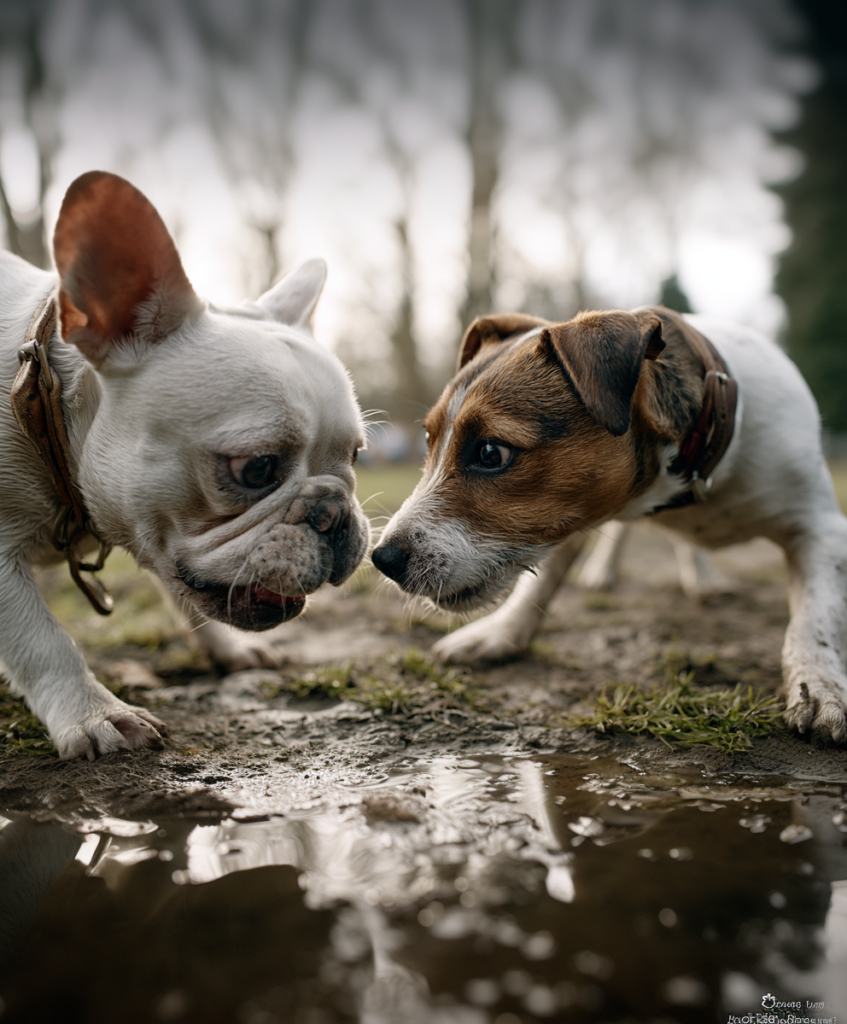
Not all dogs in a dog park are bullying. But in almost every dog park, on almost every visit, some degree of bullying is happening, and most owners either do not recognise it or actively excuse it.
Healthy dog play has a recognisable structure:
Role reversal: the dog who is chasing becomes the dog who is chased
Consent checks: pauses where both dogs reset and choose whether to continue
Loose, bouncy body language rather than stiff and directed movement
What happens in many dog park interactions does not look like this.
It looks like one dog relentlessly pursuing another who is clearly trying to disengage. It looks like a group gathering around a single smaller or more anxious animal, who has nowhere to go. It looks like a dog who keeps pinning, not pausing, not resetting, while the dog underneath goes still.
The dog on the receiving end is not fine. They are learning, through repeated experience, that the presence of other dogs means unpredictable, inescapable pressure. That lesson has a name in behaviour science. It is the beginning of leash reactivity. The beginning of dog-directed aggression. The beginning of a dog who loses all composure at the sight of another dog across the street.
The park did not socialise that dog. It traumatised them, slowly, visit by visit, while everyone assumed they were having fun.
Predatory Drift
Predatory drift is a phenomenon where a dog whose arousal has spiked past a certain threshold switches from play behaviour into predatory behaviour. The trigger is often movement: a smaller dog suddenly running, a dog making a high-pitched noise, a dog going limp or still. What was a boisterous game becomes, in a fraction of a second, something with a fundamentally different quality.
It is not the dog being vicious. It is a nervous system pushed into a state where the prey drive activates and overrides everything else. Predatory drift is most likely in high-arousal environments with significant size disparities between dogs. Dog parks routinely meet all of those conditions at the same time.
The Rehearsal Problem
Every time a dog practises a behaviour, that behaviour becomes more available to them. More automatic. More likely to be reached for in the future. Repeated experience lays down neural pathways. Those pathways become highways.
A dog who visits a dog park regularly and spends that time in a state of high arousal is rehearsing high arousal. They are laying down, visit by visit, the neural architecture that associates the presence of other dogs with frantic, poorly-regulated behaviour.
Then they go on a lead walk and see a dog across the street.
And their owner wonders why they lunge.
The dog park did not tire out a social, happy animal. It created an animal that has practised, dozens of times, that other dogs equal chaos.
The Owner’s Side: Guilt and the Myth of the Tired Dog
Dog owners are busy. Dogs have energy. The equation most owners work from: if the dog is physically exhausted, they will be calm and well-behaved. A dog park achieves that in forty-five minutes with minimal effort from the owner.
It is also, unfortunately, largely counterproductive.
Physical exercise and mental load are not the same thing. A dog who has been doing zoomies for an hour with other over-aroused dogs has been physically active, but their nervous system has been running at maximum capacity throughout. They come home not rested but wired. Tired but cannot settle. That is the profile of a nervous system that needs to come down from a prolonged arousal spike.
Contrast this with a dog who has spent thirty minutes on a structured sniff walk, nose down, exploring at their own pace. Or fifteen minutes of genuine training. Or an hour of calm one-on-one play with one familiar dog.
That dog comes home and sleeps. Deeply. Because their nervous system has been genuinely engaged and is now genuinely resting.
The “tired dog is a good dog” principle is real. But the kind of tired that matters is not just in the legs. It is in the brain.
This applies with particular force to intelligent, high-energy dogs. A clever, sensitive dog, wired for mental work, problem-solving and constant awareness of their surroundings, needs real engagement far more than physical chaos. For a dog like this, an hour at a dog park is not enrichment. It is an hour of every instinct they have being triggered with no productive outlet. The result is not a tired, satisfied dog. It is an over-stimulated, frustrated animal who is harder to live with, not easier.
The Guilt Factor
A lot of owners take their dogs to dog parks because they feel guilty. Guilty about the hours the dog spends alone. Guilty about the flat with no garden. The dog park becomes a form of compensation.
But when guilt is driving twice-weekly visits to an environment that is actively making the dog more reactive and harder to manage, the compassionate thing is to look at that clearly.
Your dog does not need a dog park. Your dog needs you. Your time, your attention, your presence on a quiet walk where they can actually be a dog.
What Real Dog Socialisation Actually Looks Like
So if not the dog park, then what?
The Critical Socialisation Window
The most important socialisation happens before sixteen weeks of age. During this critical period, the puppy’s brain is literally wiring itself based on what it encounters. The goal is exposure at an intensity that keeps the puppy under threshold.
Under threshold means the puppy notices the thing but is not overwhelmed by it. They can take a treat. They can look away. They can disengage.
A puppy carried past a busy road at a safe distance, eating a treat while watching the traffic, is being socialised to traffic. A puppy placed in the middle of chaos, overwhelmed and unable to cope, is being flooded. Flooding does not produce confidence. It produces fear that can last for years.
Quality Over Quantity
One well-matched, well-supervised interaction with a known dog is worth more in socialisation terms than ten chaotic encounters at a park.
What makes an interaction well-matched:
Both dogs similar in size and energy level
Both have the genuine opportunity to disengage
Play has role reversal and natural consent checks
Humans are watching the dogs, not their phones
Counter-Conditioning for Neutrality
One of the most useful things an owner can teach is genuine indifference to other dogs at a distance. This is built through counter-conditioning: repeatedly pairing the sight of a dog at a comfortable distance with something high-value, until the dog’s automatic emotional response shifts from arousal to pleasant anticipation.
Slow work. Real results.
Structured Activities
Dogs who do structured activities with their owners, trick training, nose work, agility, even basic obedience, develop focus on their human in the presence of distractions. This is the quality that makes everything else possible. It is built in ten-minute sessions in the garden, not at a dog park where the dog’s attention is everywhere except on you.
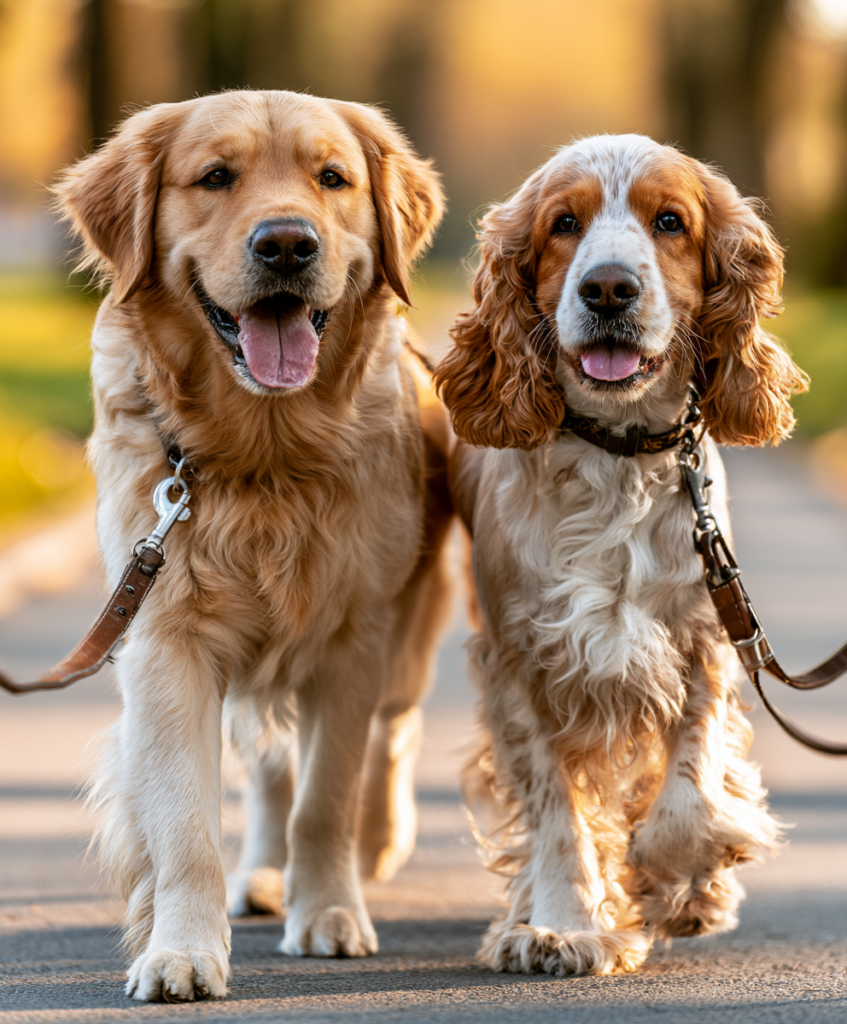
But My Dog Loves the Dog Park
Some dogs genuinely enjoy dog parks. They have the right temperament, the right socialisation history, and the capacity to self-regulate even in high-arousal environments. For these dogs, with owners who are actively watching and ready to intervene, dog park visits are probably fine.
But they are a small minority.
Signs your dog is thriving at the park:
Runs to the gate enthusiastically
Stays loose and bouncy throughout
Takes voluntary breaks
Engages in two-way play with role reversal
Comes home and settles within thirty minutes
Signs your dog is struggling:
Spends the visit pressed against the fence or your legs
Is relentlessly pursued with no escape
Cannot settle for hours after returning home
Behaviour on walks has been worsening since regular park visits began
Watch the dog. Not the idea of what the dog park is supposed to be providing.
What To Do Instead: A Practical Guide
Understanding the problem is one thing. Having something concrete to replace it with is another.
The sniff walk. Twenty to thirty minutes of your dog leading, nose down, at their own pace. Sniffing engages the brain, processes the environment, and produces genuine tiredness. One good sniff walk does more for a dog’s nervous system than an hour of frantic play.
The one-on-one playdate. One dog your dog genuinely likes. Neutral ground. Watch for consent checks. Twenty calm minutes of this is worth more than an afternoon at the park.
Nose work at home. Hide treats around the house or garden. Use a snuffle mat, a Kong, a puzzle feeder. Ten minutes, and many dogs are ready for a genuine nap.
Short, positive training sessions. Five to ten minutes, one thing at a time, kept positive and playful. Building the habit of paying attention to you and finding that attention rewarding.
None of these is as easy as opening a gate. All of them produce better, more lasting outcomes.
The Counterintuitive Truth
Less is almost always more when it comes to dog socialisation.
Less exposure to chaos produces less reactivity. Less over-arousal produces better regulation. Less forced interaction with strangers produces more genuine confidence.
The dog who has had a hundred chaotic dog park visits is not more socialised than the dog who has had thirty carefully managed, calm interactions. In most cases, they are considerably less stable.
Building a genuinely well-socialised dog takes time, attention, and the willingness to make quiet choices: the sniff walk instead of the park, the one-on-one playdate instead of the free-for-all, the ten minutes of training instead of the hour of chaos.
Your dog does not need more dogs. Your dog needs a world that makes sense to them. Predictable, manageable, navigable.
That is what a genuinely well-socialised dog looks like.
Not a dog who has been everywhere and met everyone.
A dog who can go anywhere, and feel fine.
Maya & Leo host The Dog Psychology Podcast, for owners who want to understand their dog at a level that actually changes things. New episodes every week.

“He was the gentlest dog. Never once snapped at anyone. Seven years, not a single incident. And then, out of nowhere, he bit my daughter. Just like that. No warning. Nothing.”
No warning.
Those two words appear in nearly every account of a dog bite involving a family pet. And in nearly every case, they are not accurate, not because the owner is lying, but because they genuinely did not see what was right in front of them.
This is not a story about dangerous dogs.
It is a story about a language barrier. One that most people do not even know exists.
“Out of Nowhere”: The Myth That Gets Dogs Killed
Dogs almost never bite without warning. This is not a hopeful claim. It is what decades of canine behaviour research consistently shows. Dogs are, by nature, conflict-averse. Biting is expensive for them. It risks injury, it escalates situations, it breaks the social bonds they depend on. Before a dog bites, they almost always try everything else first.
The problem is that “everything else” is written in a language most humans were never taught to read.
Dr. Sophia Yin, one of the most influential veterinary behaviourists of the last thirty years, spent much of her career documenting exactly this gap. In study after study, slow-motion video analysis of incidents described as “unprovoked” revealed a consistent sequence of warning signals (signals the dog had given, sometimes for minutes, sometimes for years) that went completely unnoticed by the humans around them.
The dog was not silent. The humans were simply not listening.
And that distinction matters enormously, because a dog that bites “out of nowhere” is considered unpredictable, dangerous, unreliable. A dog whose warnings were missed is a dog who was failed by the people around them.
One ends up euthanised. The other gets the help they need.
Calming Signals: The Warning System You Were Never Taught
In the 1990s, a Norwegian dog trainer and behaviourist named Turid Rugaas introduced a concept that has since become foundational in modern dog behaviour work: calming signals.
Rugaas noticed, through years of careful observation, that dogs use a remarkably consistent set of small, subtle behaviours to communicate stress, discomfort, and the desire to de-escalate a situation. These are not dramatic signals. They are not growling or snapping or raised hackles. They are quiet, easy-to-miss, completely ordinary-looking behaviours that dogs produce constantly, and that most humans walk past without a second glance.
Learning to see them is like getting a pair of glasses you did not know you needed.
Suddenly, what looked like a calm dog is revealed as a dog working extremely hard to hold it together.
Dog Stress Signals Explained: One by One
Whale Eye
Whale eye is what happens when a dog turns their head slightly away from something that is making them uncomfortable, but keeps their eyes fixed on it. The result is that you can see the whites of their eyes, that crescent of white at the outer edge, in a way you normally would not.
Think about the last time you saw a dog being hugged by a small child and thought they looked “so patient,” “so tolerant,” “so sweet.” Now ask yourself: were you looking at their eyes?
A dog showing whale eye during a hug is not being patient. They are showing you, as clearly as their biology permits, that they are deeply uncomfortable and would very much like this to stop. The head turn is an attempt to create distance from the thing that is stressing them. The fixed eyes are because they do not feel safe enough to look away entirely.
That dog is not enjoying the hug. That dog is tolerating it. For now.
Lip Licking and Tongue Flicks
Lip licking as a stress signal is particularly easy to miss because it is fast. A single, quick flick of the tongue, up over the nose, or just at the corner of the mouth, lasting less than a second.
In a normal context, we assume a dog licking their lips is thinking about food. But when a dog produces a rapid tongue flick in response to being approached, touched, hugged, or stared at, with no food anywhere in the picture, it is a stress signal.
It often appears in photographs. You can see it clearly in the fraction of a second before the shutter clicks: the child leans in for a hug, the dog licks their lips. The photo captures the hug, looking adorable. The tongue flick is already gone.
Watch for it in videos. Once you start looking, you will see it constantly.
Stress Yawning
Not every yawn is a stress signal. Dogs yawn when they are tired, just as we do. But a yawn that appears in the middle of an interaction, when the dog has not just woken up and is not particularly sleepy, is something different.
Stress yawning in dogs tends to be exaggerated, wide mouth, sometimes with a soft vocalisation, and it appears at moments of social pressure. When a stranger reaches down to pet them. When a child gets in their face. When the owner raises their voice.
It is the dog equivalent of taking a very long, deliberate breath. A physical attempt to down-regulate a nervous system that is running a little too hot.
Freezing
This one is arguably the most critical signal on the list, and one of the most dangerous to miss.
Freezing is exactly what it sounds like: the dog goes completely still. Not the stillness of a dog watching a squirrel, all forward energy and focused attention. This is a different kind of still. Rigid. Held. Like a system that has temporarily stopped processing.
In behavioural terms, freezing is often the last signal before a bite. It represents a dog who has run out of other options. They have licked their lips, yawned, looked away, turned their head, and none of it has worked. The uncomfortable thing is still happening. And now they have nothing left except to stop moving and figure out what to do next.
If a dog freezes while being touched or handled, stop what you are doing. Immediately. Give them space. Do not interpret the stillness as acceptance or calm. It is neither.
Head Turning and Looking Away
Dogs use the direction of their gaze very deliberately. Direct eye contact, in dog language, carries the potential for threat. A dog who turns their head away from you, or averts their gaze, during an interaction is signalling: I am not a threat. Please be not a threat back.
When a child thrusts their face toward a dog’s face and the dog turns away, that is not the dog ignoring the child. That is the dog trying, very politely, to de-escalate a situation that feels threatening.
When the child pursues, following the dog’s turn with their own face, and the dog turns away again, more emphatically, that sequence matters. The dog is trying to communicate. The child is not receiving the message. And the gap between those two things is exactly where incidents happen.
Soft Body vs. Hard Body
Beyond specific signals, there is a more general quality to watch for: whether the dog’s body is soft or hard.
A relaxed dog is physically loose:
Weight shifts easily, they lean into touch
Muscles have a fluid, easy quality
Tail wags with the whole back end, not just the tip
Jaw is loose, sometimes slightly open
A stressed dog goes hard:
Muscles tighten visibly
Movement becomes deliberate rather than fluid
Tail wag becomes stiff, high, short rapid arcs
Weight shifts forward onto the front legs
Two dogs, both with tails wagging, can be telling you completely different things. The body knows.
The Anthropomorphism Trap
Humans are wired to read human emotions onto the faces and bodies of other creatures. It is not a character flaw. It is how our social cognition works. The problem is that dog faces are not human faces, and dog emotional expressions do not map onto human ones the way we instinctively assume.
The “Guilty Look”
You come home. Something has been chewed. The dog immediately goes into the posture you know well: ears back, eyes soft and wide, body low, tail tucked. You interpret this as guilt.
Research by Alexandra Horowitz at Barnard College found that the “guilty look” is not guilt at all. It appears in response to your behaviour, not to what the dog did. Dogs whose owners returned with an accusatory tone showed the “guilty look” whether or not they had actually done anything wrong. Dogs who had genuinely misbehaved but whose owners returned neutrally showed no “guilty look” at all.
The posture is appeasement, not guilt. The dog is reading that you are unhappy and immediately trying to de-escalate. When you interpret it as guilt and respond with punishment, you are punishing a dog for trying to communicate with you.
The “Smile”
Some dogs pull their lips back in what looks, to human eyes, like a smile. It can be a signal of genuine pleasure. But it can also be a high-arousal appeasement gesture, indicating the dog is working very hard to signal that they are not a threat.
Context is everything. A dog who “smiles” when surrounded by excited children is not showing happiness. They are using every tool they have to try to make the discomfort stop.
The “Tolerant” Dog
This is perhaps the most dangerous anthropomorphism of all.
“He just loves kids. He lets them do anything: pull his ears, climb on him, take his food. He never complains.”
The word “lets” is the problem. Dogs do not “let” things happen because they have consented. They tolerate things because they have learned that resistance does not work, or because they are suppressing their discomfort rather than expressing it.
A dog who has given up signalling is not a safe dog. They are a dog whose warning system is silent until one day, under enough pressure, it is not.
The Worst Thing You Can Do: Punish the Growl
A dog growls. The owner punishes it. The growling stops.
They think they have solved the problem. They have made it catastrophically worse.
A growl is not an act of aggression. A growl is communication. It is the dog using the most unambiguous signal in their vocabulary to say: I am uncomfortable. I need this to stop. I am telling you clearly before I do something I cannot take back.
When you punish the growl, you do not address whatever was causing the dog’s discomfort. The discomfort is still there. You have simply removed the dog’s most effective way of communicating that fact.
Dr. Ian Dunbar, founder of the Association of Pet Dog Trainers, puts it simply: a dog who growls is doing you a favour. They are giving you information. They are giving you time. Punish the growl and you lose both.
What you are left with is a dog who has learned that warning is not safe, and who has been trained by the people they trust most to skip the warning and go straight to what comes next.
The Bite Ladder: What Escalation Actually Looks Like
Dog behaviour researchers use what is called the “ladder of aggression” to describe the sequence of signals that typically precede a bite. Biting is the last rung, not the first.
A dog working through stress will typically try, in rough order:
Turning away
Yawning
Lip licking
Moving away, if they can
Whale eye
Freezing
Low growl
Raised lip
Snap (usually landing on air, a final warning)
Bite
Most bites happen to people who missed everything from the lip lick to the snap. Most bites described as “out of nowhere” were preceded by months, sometimes years, of the earlier signals being ignored or misread.
This is particularly important for owners of clever, high-energy dogs. Sensitive, highly aware dogs are wired for intense environmental monitoring and have extremely low tolerance for chaotic, unpredictable interactions. Their stress signals can be fast and subtle precisely because they are so attuned to their surroundings. A sensitive dog who has been repeatedly overwhelmed by children or strangers will move through the bite ladder more quickly than a more laid-back dog, not because they are more aggressive, but because their nervous system processes threat more efficiently.
Children and Dogs: The Gap in Understanding
Children are the most common victims of dog bites, and the reason is almost entirely this language gap.
Children move fast, make sudden sounds, invade physical space without awareness, and interpret a dog’s stillness as an invitation rather than a warning. They hug dogs around the neck, a behaviour that in dog social language resembles a dominance gesture rather than affection. They put their faces directly in front of a dog’s face, making the kind of sustained eye contact that, in canine terms, is a challenge.
None of this is the child’s fault. They are being children.
The responsibility lies entirely with the adults in the room, and specifically with whether those adults can read the dog well enough to intervene before the dog has to.
The single most protective thing an adult can do is watch the dog, not the child. The child’s behaviour is visible and obvious. The dog’s communication is subtle and fast and requires active reading.
When supervising a dog-and-child interaction, look for:
Tongue flicks
Head turns or gaze aversion
Body going hard
Whale eye
Any freezing
And if you see any of it, move. Create space. Let the dog leave if they want to. Do not tell the child to be gentle. Remove the pressure entirely.
What a Truly Relaxed Dog Actually Looks Like
A genuinely relaxed dog in a social situation looks very different from a dog who is simply suppressing their signals:
Soft, slightly unfocused eyes
Loose jaw, sometimes slightly open
Tail wagging with the whole back end
Weight shifting easily, leaning into touch without stiffening
Moving away when they choose, then coming back when they choose
Taking food gently rather than frantically
A dog who is repeatedly retreating to their bed, hiding under furniture, leaving the room when children enter, or going still when handled is telling you something. Not about their character. About their experience.
The absence of biting is not the same as the presence of comfort.
Learning the Language
The good news is that canine body language is learnable. It takes attention and practice, but it is not complicated. You do not need a degree in animal behaviour.
You need to watch your dog.
Watch them when they are relaxed so you know what relaxed looks like for them specifically. Watch them when they are being handled. Watch them around children, strangers, other dogs. Watch their eyes, their jaw, their tail, their weight distribution.
Start with whale eye, because it is distinctive once you know what you are looking for. Practice spotting it in videos online. Then bring that attention into your real interactions with your dog.
Because here is what is on the other side of learning this language: not just safety, though it is that. It is the ability to actually hear your dog. To know, in real time, whether they are comfortable or not. To be the person in the room who noticed, and intervened, and gave them the space they needed.
Dogs spend their entire lives trying to communicate with us in a language we were never taught.
Learning even a fraction of it is the least we can do.
Maya & Leo host The Dog Psychology Podcast, exploring the hidden emotional life of dogs for owners who want to go beyond the basics. New episodes every week.